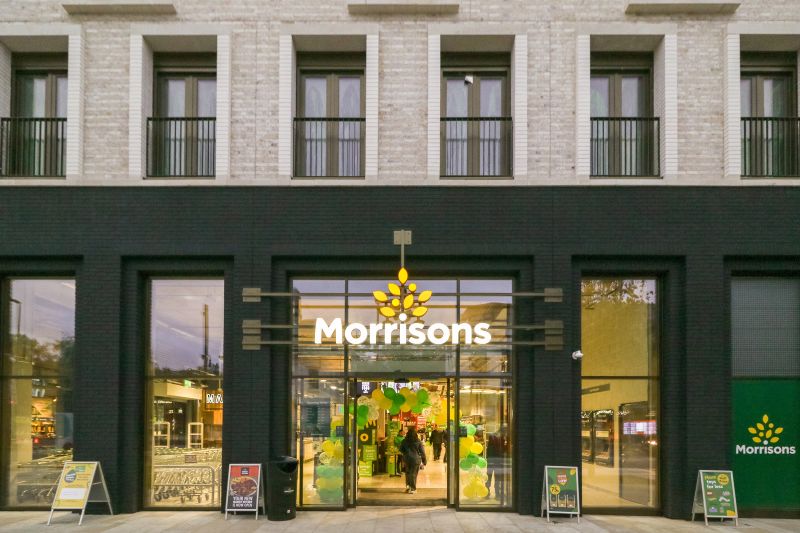
At Morrisons, our graduate schemes are open to talent from all backgrounds, including the agricultural community. Our graduates are future business leaders, and we are proud to welcome many young farmers into our core business roles. Below, you will meet some of our current graduates who successfully apply their agricultural heritage to their retail careers.
Find out more about our Morrisons graduate schemes here.
Graduate Profiles
Erin W
1. What is your farming background? If not from farming, where did the interest come from?
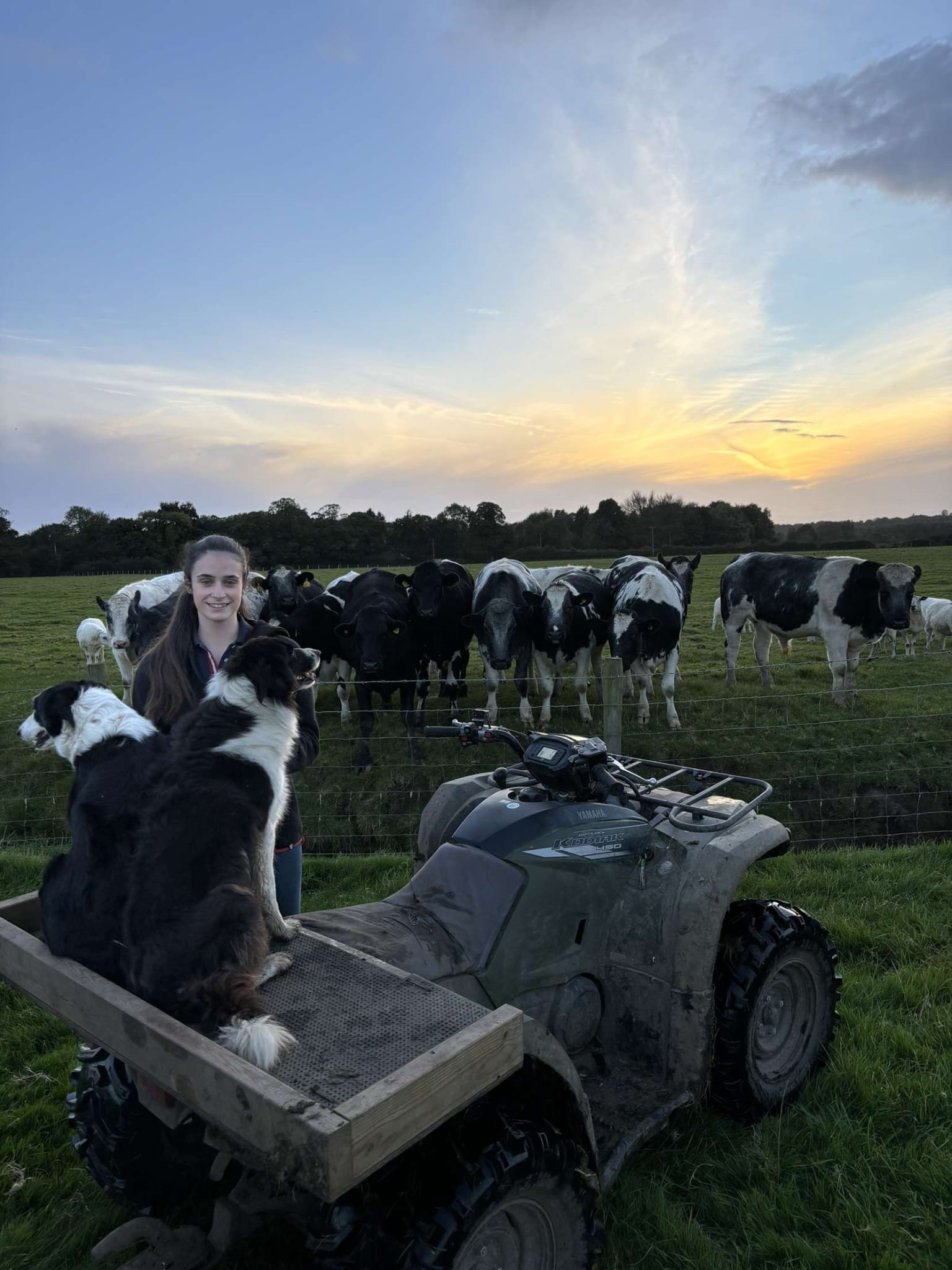
Based in Lancashire, I have deep roots in agriculture, having grown up on my dad’s established beef and sheep farm.
I have always felt a strong connection to farming, drawn to its rewarding and ever-changing nature. There are different challenges each year, which is part of what makes the industry so fulfilling. I find it incredibly satisfying to provide a quality end product to consumers, knowing the livestock has been given the very best chance to thrive.
2. Did you feel there were many options through education to be exposed to farming careers?
While schools often highlight more traditional routes, careers in agriculture, food production, and the wider supply chain didn’t always receive the same level of attention. It was something I largely explored myself.
I think there is still room to better showcase the diversity of roles within agriculture — from livestock production and agronomy to food processing, supply chain management, and business leadership. Increasing exposure at school and FE level would help encourage more young people to consider it as a serious and rewarding profession.
3. How did you find out about the Morrisons’ schemes?
I was initially focused on the traditional university route, with the intention of continuing my studies within the agricultural sector. However, I realised how much I valued being able to work alongside my studies. I was keen to continue gaining practical, hands-on experience within the industry.
The turning point came when a Morrison representative visited my college to deliver a talk. She spoke about the degree apprenticeship scheme, and it immediately stood out to me. The programme offered the perfect balance of continued education, practical industry experience.
4. Which scheme have you participated in?
Manufacturing Degree Apprenticeship (2024)
5. What did you want to learn more about and why?
I was keen to gain a deeper insight into what happens beyond the farm gate. I wanted to fully immerse myself in the technicalities of meat processing and wider production.
Working within the industry through my apprenticeship with Morrisons has given me the opportunity to broaden my skillset and see first-hand how quality is maintained.
My passion for putting food on people’s plates is what truly drives me. It pushes me to keep learning, to challenge myself, and to prove my capability within an industry I care so deeply about.
6. Having been on the scheme, what have you learnt about the industry as well about yourself?
From an industry perspective, I’ve learned how complex meat production and processing really is. I’ve also seen firsthand the planning, problem-solving, and adaptability needed to deliver a consistent, high-quality product to consumers. This experience has given me a broader appreciation of the many roles within agriculture and food production, and how each stage relies on knowledge, care, and professionalism.
On a personal level, the scheme has taught me a lot about my resilience, work ethic, and capacity to learn. Balancing hands-on work with study has shown me that I thrive when challenged. I’ve also gained confidence in communicating, making decisions, and contributing meaningfully within a team.
7. What do you think are the biggest issues facing agriculture?
Aside from the weather and the annual gamble inherent in farming, I believe the biggest challenge facing agriculture is unpredictability. This is particularly significant for those of us just starting out in the industry. For the next generation, it can be difficult to know what support or challenges may arise, making long-term planning feel especially daunting.
The UK’s growing reliance on imported food, combined with the public’s disconnection from where their food comes from, adds further complexity.
Despite the uncertainties, I find reassurance in knowing that our work is essential; people rely on us three times a day, every day. This gives me the motivation to keep pushing forward and contributing to the industry.
I am determined to be part of a resilient, forward-thinking agricultural sector that continues to provide high-quality British produce for generations to come.
8. What are your future plans and how has the Morrisons’ schemes helped you develop that career pathway?
My future plans are to continue developing a long-term career within agriculture, with a particular focus on livestock production and the wider meat supply chain. Alongside progressing professionally, I am committed to supporting and strengthening my family farm for the future.
9. Is this, in you opinion, a good route for people to take?
The Morrisons degree apprenticeship allows you to immerse yourself fully in the working environment while developing academic knowledge alongside it. For me, it has provided clarity about where I fit within the industry and helped me discover strengths I didn’t know I had, particularly within operational environments. It also offers financial independence, industry exposure, and professional development all at once, which is invaluable when starting a career.
It’s challenging, but incredibly rewarding and it prepares you for the realities of the industry in a way that purely classroom-based learning cannot.
Emi T
1. What is your farming background? If not from farming, where did the interest come from?
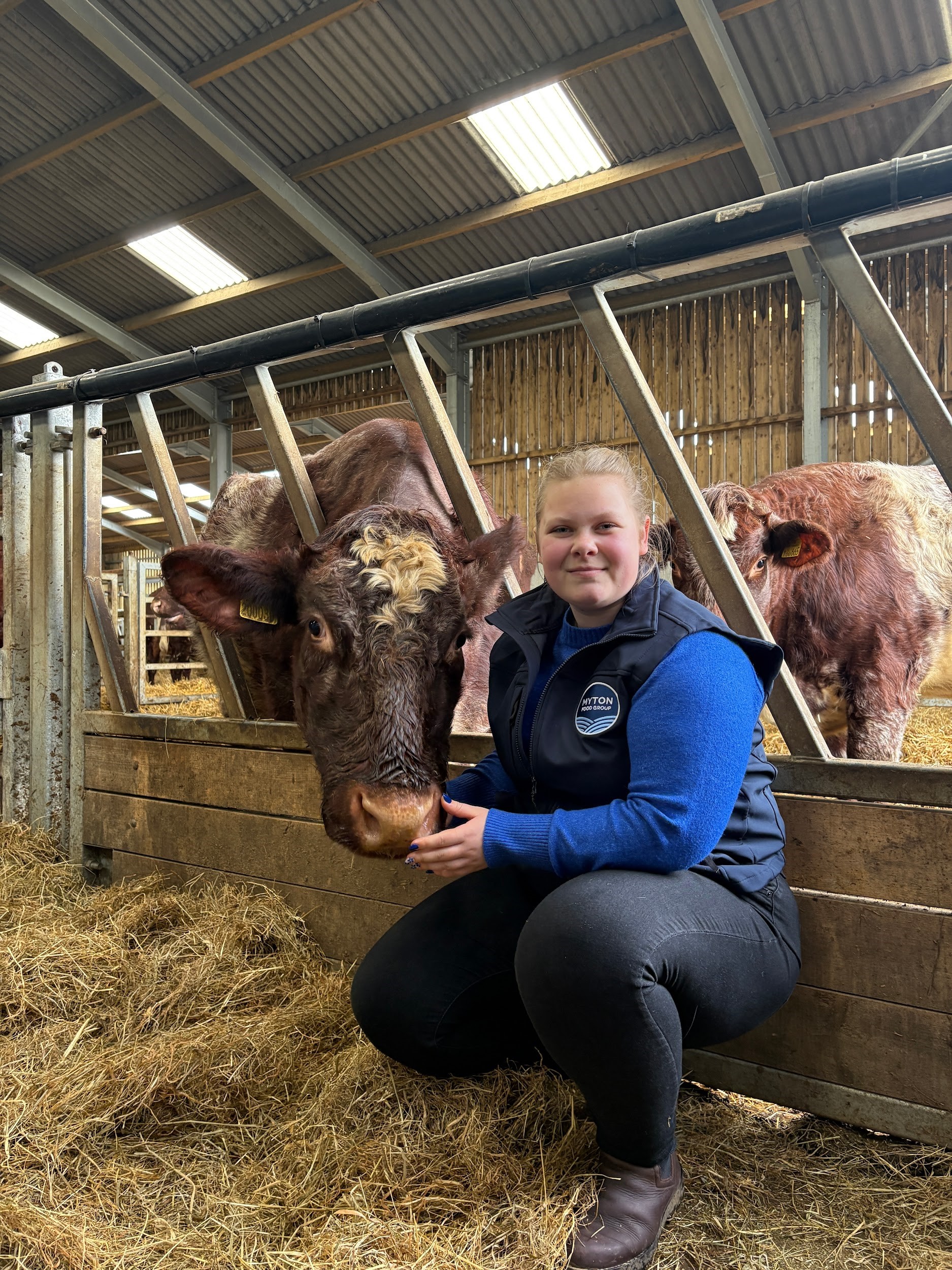
Grew up on a multigenerational farm. Currently farm Pedigree Beef Shorthorns and have had about 25 calving cows since 2017.
2. Did you feel there were many options through education to be exposed to farming careers?
It was not pushed as an option throughout high school. I went to Askham Bryan College for a year after my A-levels, but I was the only student in 6th form that was agricultural and the only one going to an agricultural university after school.
3. How did you find out about the Morrisons’ schemes?
I was fortunate to be aware of the schemes through people I knew who worked for or supplied Myton. I really took an interest in it when I went to the Great Yorkshire Show and was able to speak to colleagues who had been on the Morrisons Manufacturing scheme.
4. Which scheme have you participated in?
Morrisons Manufacturing (Myton) Degree Apprenticeship Scheme
5. What did you want to learn more about and why?
More about the agricultural sector as well as the food sector as I had grown up farming so wanted to get into a sector that I knew would make me work hard as well as give me the drive to learn more.
6. Having been on the scheme, what have you learnt about the industry as well about yourself?
I have learned more, not just about food in general, but the value of food. During the scheme, I have been able to do a sausage end-to-end visit. So we started in the abattoir at Colne, then visited Farmers Boy Greenside to see the sausage line, ending at logistics seeing the product get sent to stores. It gave me a massive appreciation for all the aspects that go into making the product as well as giving me an awareness of the people throughout, from agency workers to employees to customers.
7. What do you think are the biggest issues facing agriculture?
The Farming Inheritance tax is probably the biggest issue farmers are facing at the moment. For farmers who focus on day to day operations, the threat of the inheritance tax is making them possibly think years and years in advance about the heavy tax that would be implemented.
Another issue would be sustainability. Farms use a lot of plastics in the operations daily. From black bale wrap to 20kg feed bags that may just end up in the bin. I know there are companies which recycle and reuse farm plastics to make things like pig arcs, which should be more accessible on a wider scale.
8. What are your future plans and how has the Morrisons’ schemes helped you develop that career pathway?
After the scheme, I want to be able to roll off as a level 3 room manager and have the opportunity to progress quickly and gain knowledge.
The scheme offers lots of support along your career path, from professional development plans to catch ups with managers. Early careers also put lots of investment and time in you so you are able to work and network with lots of creditable people throughout Morrisons and Myton.
9. Is this, in your opinion, a good route for people to take?
I would say it’s the best route in order to stay in the agricultural / food industry while also earning a good salary. You get to work with lots of inspiring, driven people whilst on the scheme as well as be given hard work and responsibility which makes the job very rewarding. University is also very interesting as it is tailored towards the things you have interest in, like the food sector. They are also very supportive with your studies.
Rory G
1. What is your farming background? If not from farming, where did the interest come from?
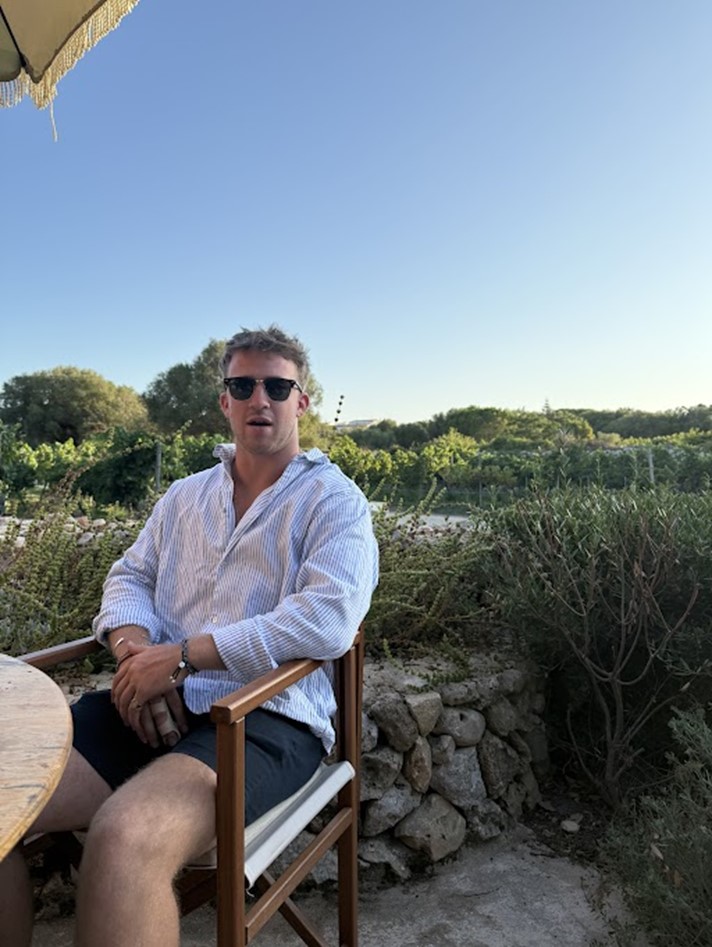
With both of my parents coming from an agricultural background, it was a large part of my life when I was growing up. Mum worked in finance within the pig feed industry, where she is now an agri-consultant. Dad also worked in agriculture having worked on farms for a large part of his life, and now works within the procurement team at a meat production business. In my time at uni, I had the opportunity to work for a piglet feed specialist in Spain for a year, working around a CIEL (Centre for Innovation Excellence in Livestock) trial farm whilst I was on a university placement there, to merge my enjoyment of Agriculture and Spanish. Until I came to Morrisons, I worked as an agricultural contractor for 6+ years.
2. Did you feel there were many options through education to be exposed to farming careers?
There is very limited exposure to agriculture within education, which is evident with the reduction in workers within the community. When you are going through school or university, unless you go to an agricultural based organisation, there are very few opportunities to explore the options farming brings.
3. How did you find out about the Morrisons’ schemes?
I knew someone who worked on the graduate scheme after university and he recommended it highly, he was also a farmer. As well as this, the objectives that Morrisons aimed to grow and support British Agriculture.
4. Which scheme have you participated in?
Buying Grad scheme (2024)
5. What did you want to learn more about and why?
To understand line of supply especially on arable lines, specific interest in root crops, as well as the process of livestock buying.
6. Having been on the scheme, what have you learnt about the industry as well about yourself?
Patience is crucial with suppliers, especially within agriculture, as all suppliers are enduring different situations to us and yield isn’t forecasted like ours.
7. What do you think are the biggest issues facing agriculture?
- Farm tax is an obvious challenge farmers across the country are facing.
- Lack of suitable employees at the moment are making it difficult for farms to function efficiently
- Lack of understanding of the day to day runnings of farming
8. What are your future plans and how has the Morrisons’ schemes helped you develop that career pathway?
- Get onto the fresh side of things, particular interest in fruit & veg. Preferably Spanish related.
- The scheme structure has been beneficial in coinciding my interests in the food sector and arable sector.
- Develop a good career path.
9. Is this, in your opinion, a good route for people to take?
If you want to develop your career in food supply and agriculture Morrisons is where you need to be. The different placements whilst on the scheme are great for your development and help to expand knowledge.
Make sure to embrace the heavy workload and take every opportunity offered whilst here.
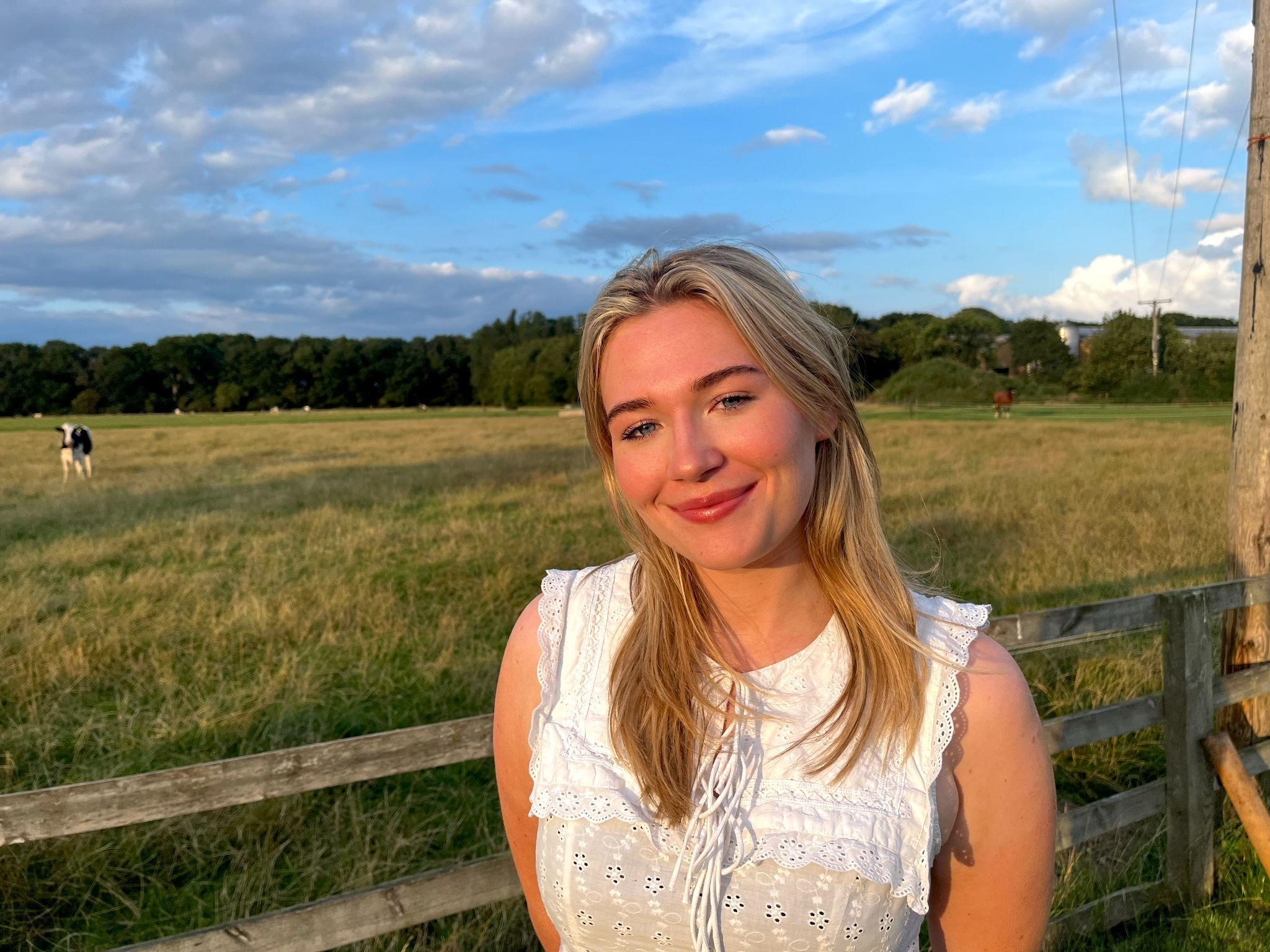
Colette T
1. What is your farming background? If not from farming, where did the interest come from?
I grew up on a farm in North Yorkshire. We kept dairy cows, chickens and arable land. My earliest memories are ones of helping out on the farm.
2. Did you feel there were many options through education to be exposed to farming careers?
Not hugely through the actual education system. However, I was fortunate to grow up in a rural area where I was surrounded by others who grew up from farming backgrounds, therefore the topic was discussed more widely from a peers perspective during my time at school.
3. How did you find out about the Morrisons’ schemes?
When I realised the traditional university route was not something I wanted to take part in, I did some research on apprenticeships, which is when I came across the Morrisons scheme.
4. Which scheme have you participated in?
Corporate Degree Apprenticeship (2024)
5. What did you want to learn more about and why?
I always had an interest in business management during my time at school, with the food sector coming up a lot during my studies, therefore I knew it was something I wanted to explore. I wanted to learn about all the aspects of running an operation such as a retailer as there are so many different, yet crucial departments. Then, during the scheme I found out how prominent agriculture was in Morrisons and therefore started to become more interested in that side of the operation.
6. Having been on the scheme, what have you learnt about the industry as well about yourself?
The fast-paced environment has allowed me to develop my problem-solving skills along with building my confidence from interacting with all people, from all walks of life. I am only 1.5 years onto the scheme, so I am looking forward to learning lots more!
7. What do you think are the biggest issues facing agriculture?
The biggest issues facing agriculture at the moment I would say are the uncertainties that come alongside the sector. From the family farm tax, to food prices, to employee retention. It can seem a very daunting and stressful time for farmers and those working throughout the industry.
8. What are your future plans and how has the Morrisons’ schemes helped you develop that career pathway?
I would like to continue to work in the agricultural sector here at Morrisons. I admire the colleagues who work in the team and their work ethic and belief in the organisation inspires me to drive for the best.
During the scheme, you are placed in 4 different placements across head office over the 3 years, this means you get a real depth and breadth of the business, allowing you to develop a number of skills and discover what you truly want to do and where you want to upskill.
9. Is this, in your opinion, a good route for people to take?
I could not recommend the scheme enough. It allows you to work full-time as well as gain an incredible business management degree and chartered apprenticeship qualification. During my time, I have been able to seek out networking opportunities and discover what interests me. I go into work each day looking forward to what is new to learn today!
Grace B
1. What is your farming background? If not from farming, where did the interest come from?
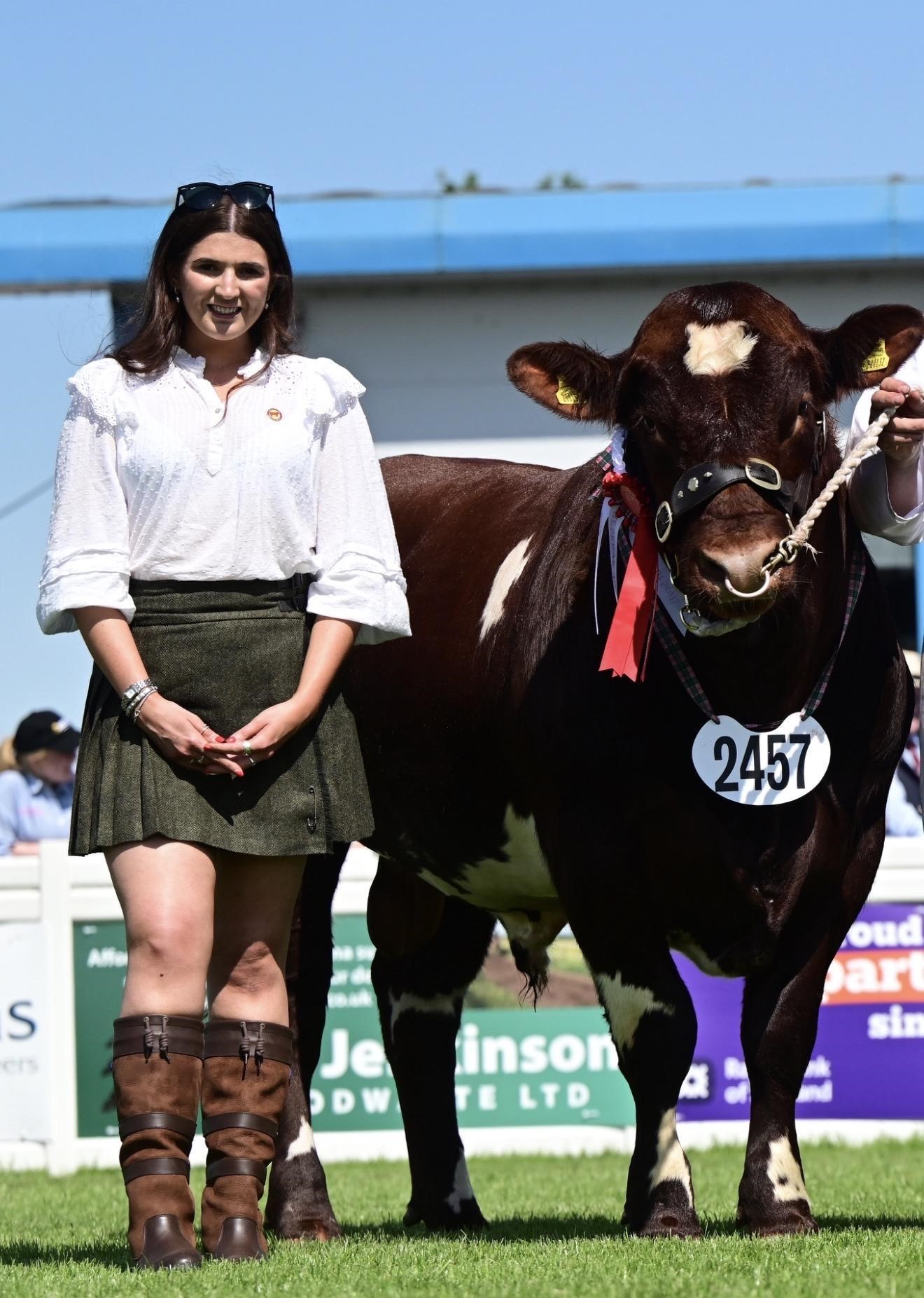
Grew up on a dairy farm in Co. Down Northern Ireland, so have always had a strong interest in agriculture. Then went to Harper Adams Agricultural University.
2. Did you feel there were many options through education to be exposed to farming careers?
Not particularly, I went to an all girls school in Belfast, so the agri sector was never something I was encouraged to pursue, which I feel was more down to lack of awareness of career paths within the industry and the array of jobs out there!
3. How did you find out about the Morrisons’ schemes?
There was a careers fair day at university and Morrisons had a stand showing information on the Graduate Scheme.
4. Which scheme have you participated in?
Manufacturing (Myton) Buying Scheme - Livestock (2024)
5. What did you want to learn more about and why?
Wanted to expand my knowledge on livestock, with a focus on lambs as I hadn’t had much experience with them up until now. Wanted to gain an awareness of the entire process from farm to fork which is possible through the Myton/ Morrisons integration.
6. Having been on the scheme, what have you learnt about the industry as well about yourself?
How interconnected the entire agri sector is, from logistics, procurement, processing to retail planning they are all interconnected, without one of the cogs the entire supply chain wouldn't move.
7. What do you think are the biggest issues facing agriculture?
Market volatility is a huge issue across all agricultural sectors, in the last year in the livestock industry we saw some of the highest beef prices, topping over £7/kg. The dairy industry has faced low milk prices, along with unpredictable grain markets, it all has a knock on effect across the entire UK and global agrifood industry. This uncertainty can have a serious effect on mental health and wellbeing within the farming community due to financial stress, isolation and long hours.
8. What are your future plans and how has the Morrisons’ schemes helped you develop that career pathway?
I have now rolled off the grad scheme into the Livestock Buyer roll at our Woodhead bros site Turiff, Aberdeenshire. The Morrisons grad scheme has helped to build networks across the supply base and expose me to the full supply chain process, allowing me to see farm-to-fork.
9. Is this, in your opinion, a good route for people to take?
Yes, you get to experience every aspect on the supply chain while on scheme, from farm, to factory, to head office. It allows you to meet people from all over the supply chain.
James A
1. What is your farming background? If not from farming, where did the interest come from?
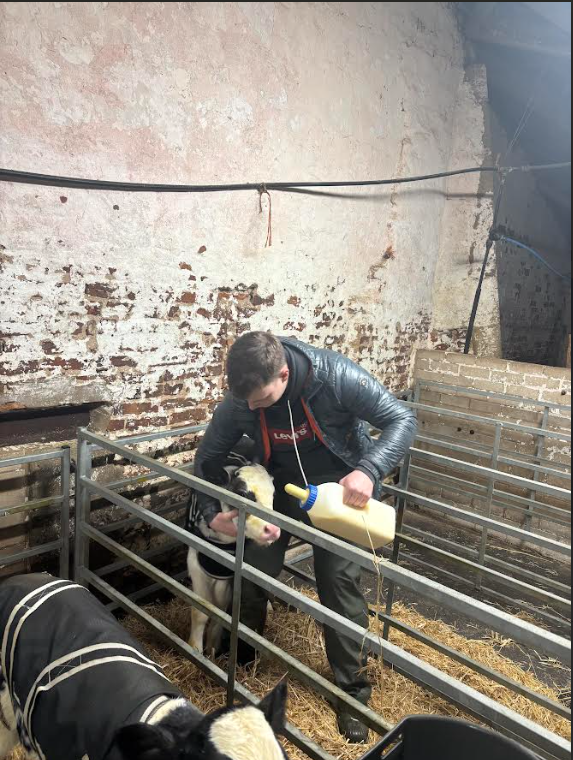
When I was younger my Grandad had a farm, peaking my interest being outside and being in an agricultural role. I spent many days outside looking after the livestock and even got the chance to drive the tractors!
2. Did you feel there were many options through education to be exposed to farming careers?
When looking there were various apprenticeship schemes to be a part of, but the most interesting opportunity was to join the Morrisons Manufacturing Scheme due to them being the biggest link to UK Farming.
3. How did you find out about the Morrisons’ schemes?
I found the Morrison’s Apprenticeship scheme on the Government Website
4. Which scheme have you participated in?
I was on the Manufacturing Degree Apprenticeship scheme
5. What did you want to learn more about and why?
When I joined the scheme I was intrigued to see what happened after the livestock had been sold and the process it went through from field to fork, as I had always been sitting at the other side of the fence!
6. Having been on the scheme, what have you learnt about the industry as well about yourself?
The meat industry is a very united industry always supporting what is best for the farmer. The constant challenges the industry faces from other markets is the biggest constraint on the British market
7. What do you think are the biggest issues facing agriculture?
The biggest challenge is the threat of other markets and the sustainability of those markets. Looking at pigs, the gap between the livestock prices are astronomical now which is equating to a real problem in the British market. With the difficulties in farming, it is important that the next generation are constantly being developed to ensure that there is a consistent transition to keep British Farming and agriculture at the very forefront of peoples minds.
8. What are your future plans and how has the Morrisons’ schemes helped you develop that career pathway?
My plans are to continue in British agriculture. Morrison’s has enabled me to come back into a profession and a lifestyle I was once very accustomed to and I cannot praise the scheme enough for what it does for farming and what it has done for myself.
9. Is this, in your opinion, a good route for people to take?
The Morrisons Apprenticeship is the best decision I’ve ever made, from the people I have met and worked alongside the entire way as well as the doors it has opened for me personally. It has been the best decision I’ve made.